


Green Status Journal
3 minutes read
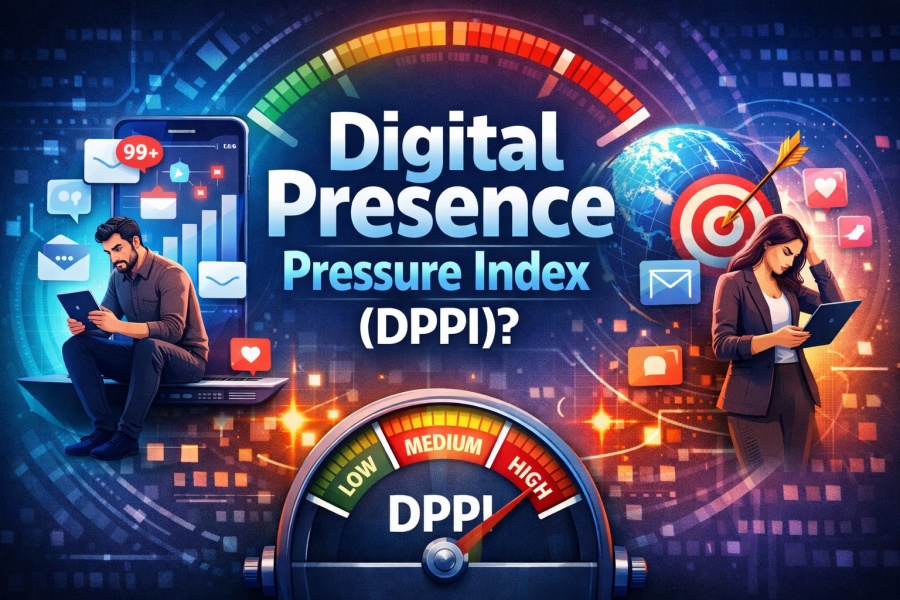
In the modern workplace, there’s an unwritten rule: if you’re online, you’re working. If you’re not — you’re probably not working enough.
3 minutes read
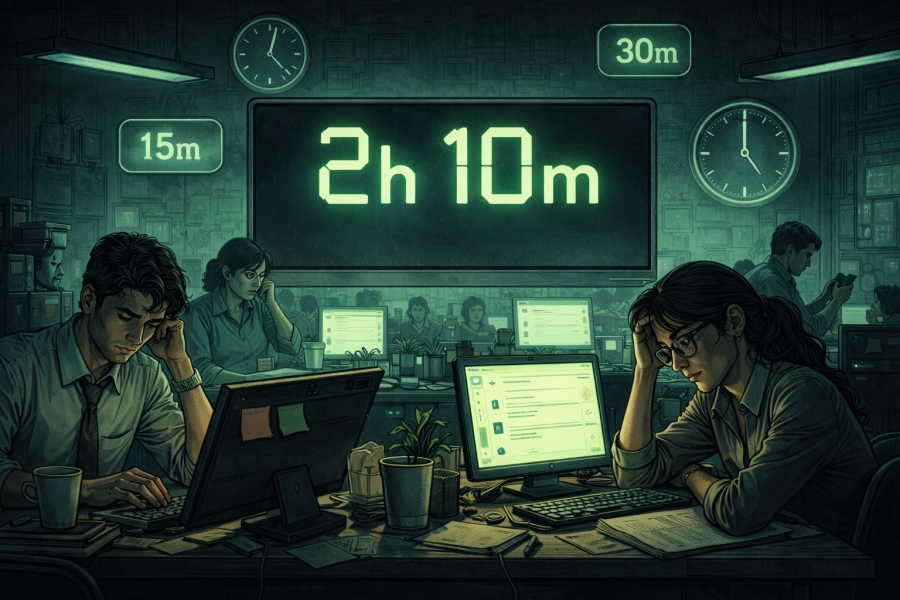
In today’s digital office, work is no longer just about completing tasks. It’s also a constant demonstration of presence.
3 minutes read
Remote work was supposed to bring freedom. Instead, in many organizations, it introduced a new form of control — quiet, digital, and constant. In a physical office, it was enough to sit at your desk. In a remote environment, you have to glow green.
1 minute read
I work as a senior developer on an IT team. Normally, I’d be focused on code, architecture, bug fixes. Instead… every 5 minutes my screen gets photographed.
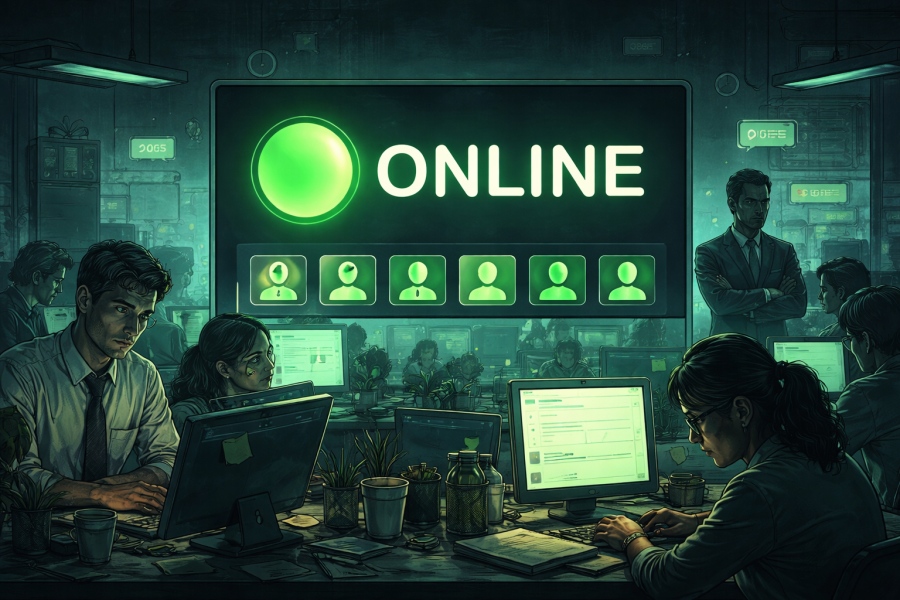
5 minutes read
In a traditional office, the symbolism of work was clear: a desk, a chair, and a body sitting at that desk. If you were physically present, it was assumed you were working. If you weren’t, the question was why.
2 minutes read
I work at a marketing agency. Fast pace, creative brainstorms, campaigns that “change the game.” PowerPoints full of words like growth, disruption, velocity.
And then came the water tank.
4 minutes read
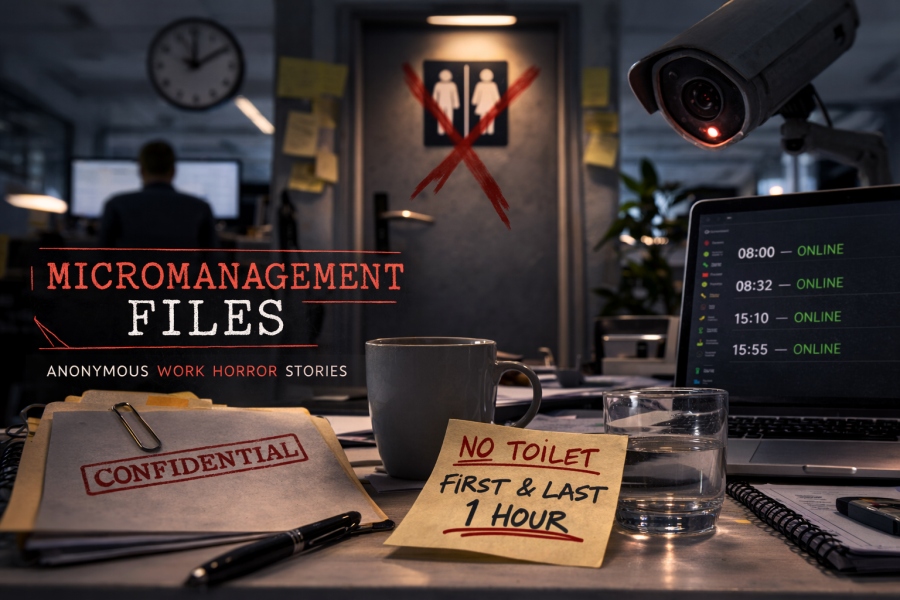
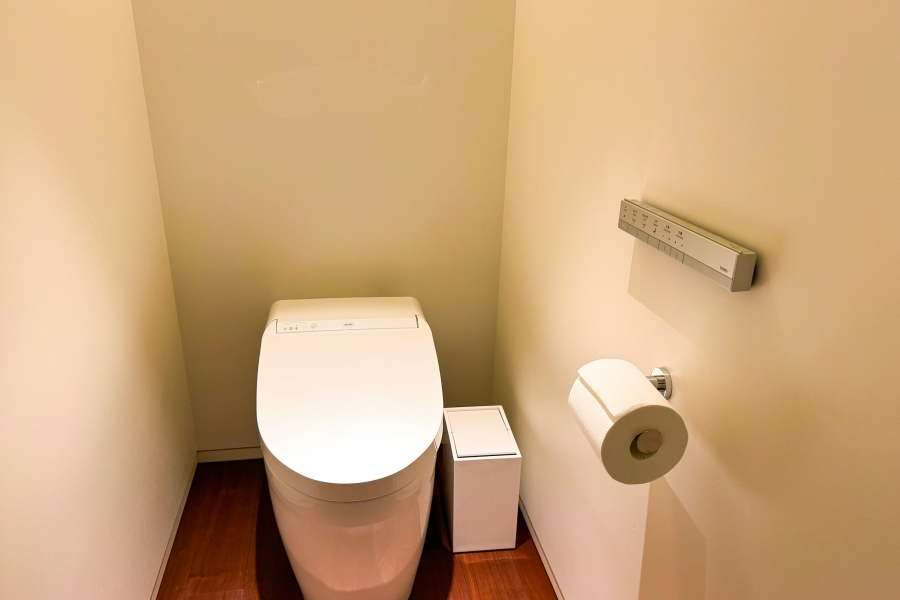
In an era of constant availability, online statuses, and notifications pulsing faster than a heartbeat, there is one place where an employee can still disappear without explanation. Not a conference room. Not a “focus block” in the calendar. Not a lunch break.
2 minutes read
No breaks during the first hour of work.
No breaks during the last hour of work.

2 minutes read
There’s a difference between working and performing work. In today’s digital environment, that difference has become almost invisible — because what’s visible on a screen often matters more than what’s actually happening inside your head.